
Atomic Number: 29
Atomic Weight: 63.546
Melting Point: 1357.77 K (1084.62°C or 1984.32°F)
Boiling Point: 2835 K (2562°C or 4644°F)
Density: 8.933 grams per cubic centimeter
Phase at Room Temperature: Solid
Element Classification: Metal
Period Number: 4

More info:
Atomic Weight: 63.546
Melting Point: 1357.77 K (1084.62°C or 1984.32°F)
Boiling Point: 2835 K (2562°C or 4644°F)
Density: 8.933 grams per cubic centimeter
Phase at Room Temperature: Solid
Element Classification: Metal
Period Number: 4
Although it's been used by humans for over 10,000 years, it was during the height of the Roman Empire that the Metal of Cyprium (Cyprus) was given the name we all know and love today: Cuprum. Well, maybe that's not the name by which it's known today, but Cu (element 29) became known as Copper, which ought to indeed sound familiar.
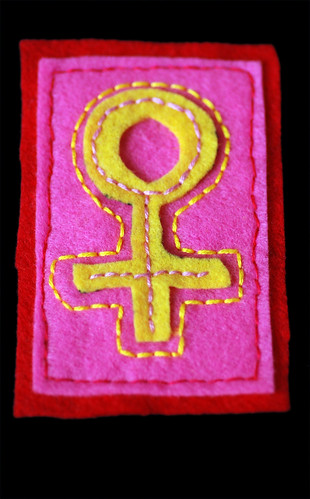
Most metals are silvery white, but the pinkish luster of copper has a pulchritude all its own. Copper has long been associated with beauty, having once been a popular material for mirror-making, which may be related to its alchemical symbol shared in common with the goddess/planet Venus. The symbol may be derived from a stylized mirror, which seems appropriate all around.
Copper serves as an excellent conductor of electricity, second only to silver. Demand for copper in construction and electronics has increased dramatically since 2000, and prices have skyrocketed. Besides use of the unadulterated element (which develops an attractive green patina) humans also often combine copper with tin to form the alloy, bronze, and with zinc to form brass. The precious metal is refined from several ores: cuprite (CuO2), tenorite (CuO), malachite (CuO3·Cu(OH)2), chalcocite (Cu2S), covellite (CuS) and bornite (Cu6FeS4), and is primarily mined today in the United States, Chile, Zambia, Zaire, Peru and Canada
More info:


No comments:
Post a Comment